Due Diligence
Buying a Waterfront Home on Lake Hudson
A due-diligence overview. Shoreline conditions, lake levels, seawalls, septic, insurance, GRDA permits, and inspections. Here's what to look for.
Written by Kimm Kennon, Broker Associate & REALTOR® with Lakeland Real Estate NEOK
REALTOR® since 2007 · GRI & CRS · Lake Hudson, Pryor, Mayes County & Northeast Oklahoma
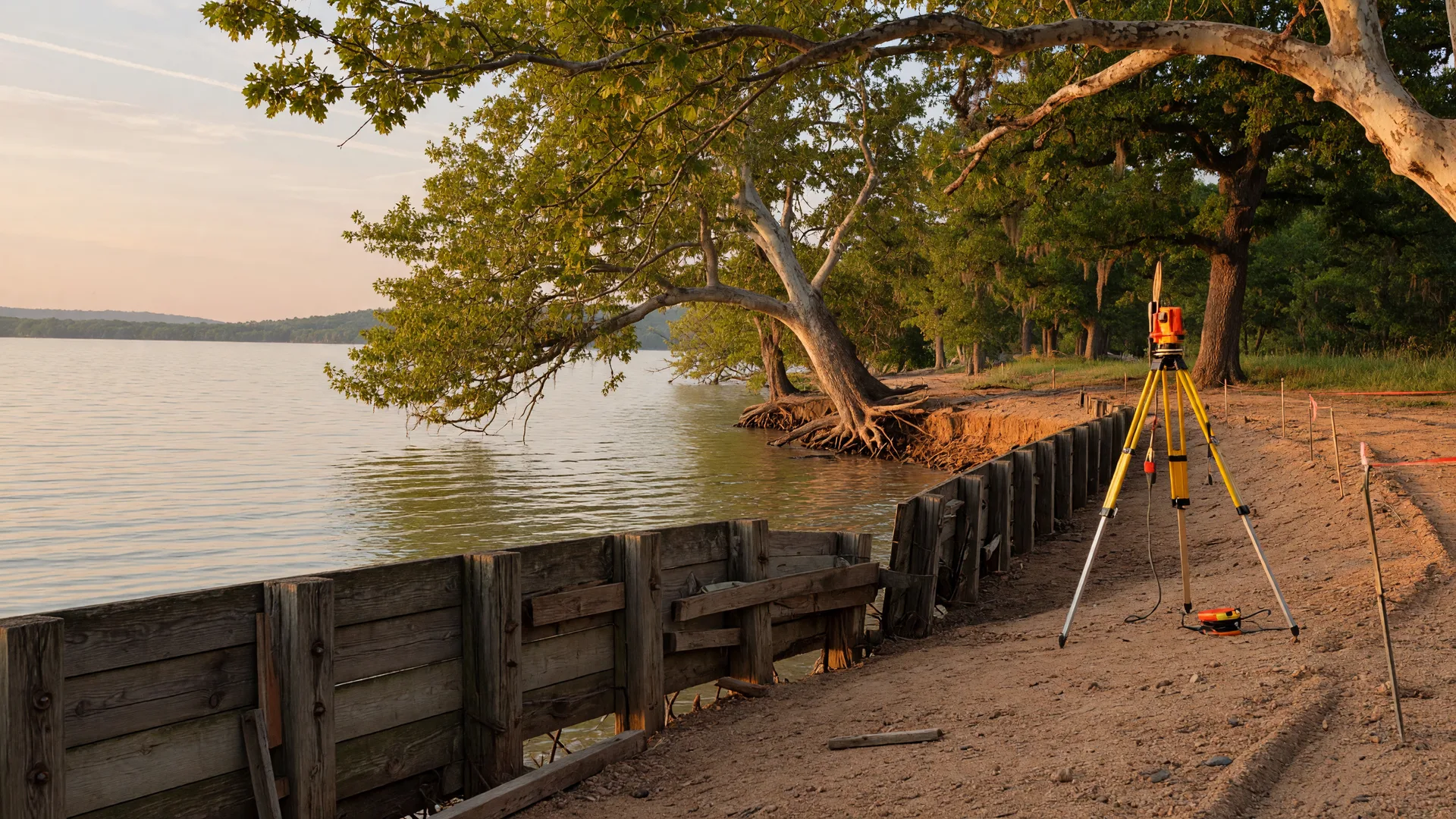
Shoreline & Seawalls
Assess the condition of any existing seawalls or shoreline stabilization. Erosion can be a factor on Lake Hudson, and addressing it can be costly. A shoreline inspection is a standard part of due diligence on any waterfront property.
Lake Levels
Lake Hudson's water levels are managed by the GRDA and can fluctuate based on rainfall, season, and dam operations. Ask about typical high and low water marks for the specific property, and check how those levels affect dock access and shoreline exposure.
Septic Systems
Many Lake Hudson properties use septic systems. A septic inspection is critical: older systems may not meet current codes, and lakefront lots can have specific constraints on where a septic system can be placed due to proximity to the water. Know the age, type, and condition before you buy.
Insurance Considerations
Depending on the property's location relative to flood zones, flood insurance may be required by lenders or is strongly recommended. Standard homeowners insurance may also differ for waterfront properties. Talk to your insurance agent early in the buying process so there are no surprises.
GRDA Permits & Regulations
The GRDA has specific rules regarding docks, shoreline modifications, vegetation management, and construction near the water. The GRDA Taking Line is the surveyed boundary between privately owned property and GRDA-owned property around the lake. Its location should be verified through the applicable survey, title work, abstract, and GRDA records. Permits are required for most changes. A waterfront property may be eligible for a dock, but waterfront location does not automatically guarantee dock approval. Because regulations can change and each property is unique, consult with the GRDA and an experienced local agent before making any commitments. Buyers should verify the current dock permit, confirm GRDA's transfer process, and determine whether a new electrical certification is required before closing.
Inspections & Surveys
A full property inspection is essential, but waterfront buyers should also consider a shoreline assessment, a septic inspection, a survey to confirm the Taking Line, and a dock permit verification. I can help coordinate the right inspections for any Lake Hudson property.
Ready to Start Your Waterfront Search?
The due diligence checklist in the Lake Hudson Buyer's Guide covers all of this and more. Download it for free, or reach out to me directly with your questions.
GRDA Permitting Resources
The Grand River Dam Authority (GRDA) manages dock permits, shoreline activities, and lake rules on Lake Hudson. The official resources below are the authority for current requirements. Please verify these links with Kimm before relying on them, as GRDA pages can move or update.
Last Reviewed: August 26, 2026
The information on this page is general education only and is not legal, surveying, engineering, environmental, insurance, financing, or permitting advice.
Official Resources — Verify Before You Buy
Lake Hudson is regulated by several agencies. Always verify current rules, permits, and conditions directly with the authority before making any real estate decision. These links are a starting point.
Links to GRDA, county, and state resources are provided as a convenience. GRDA pages, FEMA maps, and county websites can move or update without notice — please verify each link with Kimm before relying on it. Full current MLS listing data is available through Kimm directly.